The Mirror and the Wreckage: A Postscript on Readiness
In early December, I wrote with the conviction of a woman who believed she had finally graduated. I believed I had outrun the ghosts of my past. I wrote that I was "finally ready not to lose someone," convinced that because I had survived the winter of my father’s passing, I was now immune to the tremors of abandonment. I spoke of love as an arrival; a doorway I was finally strong enough to walk through.
I meant every word of it.
But there is a humbling, gut-wrenching difference between being healed in the controlled safety of solitude and being healthy in the volatile presence of another human being.
Solitude is a controlled environment. In the quiet of my own company, I am the master of my triggers. But relationships are the ultimate stress test. They are the wind that tells you whether your bridge is actually built to code, or whether it was only ever a beautiful sketch on paper.
Recently, the wind hit, and I watched the bridge buckle.
When the stress test began, I realised I had been carrying a hunger so old I had forgotten its name. We often speak of capacity in relationships—the ability of another person to hold space for us; but we rarely speak of our own capacity to receive. I discovered that I was operating from a place of emotional starvation, and the danger of starvation is that it distorts your vision. When you are starving, you cannot distinguish between a feast and a famine; you are so consumed by the ache of what you lack that you become blind to the bread already on the table.
I mistook a difference in pace for a lack of care. I mistook a partner’s need for air as a sign of my own impending erasure. In reality, we were offering different things to the same moment. I needed to feel seen and understood in the ways that mattered to me; she offered care and affection in the ways she knew how.
That mismatch activated both of us, and because I was desperate for a specific kind of reassurance, I overlooked the steady, quiet offerings of love that were being handed to me every day. I was looking for a fire, and I ignored the warmth of the hearth because it didn’t look like what I had learned to reach for.
When a person with an abandonment wound feels unseen, they do not usually ask for a light. To ask for light is to admit you are in the dark, and in the logic of the wounded, vulnerability is just an invitation for further neglect. So, we do not ask. Instead, we reach for the nuclear option. We burn the house down before we can be evicted. We trade the possibility of being loved for the certainty of being alone.
I am reminded of a quote by David Levithan in The Realm of Possibility that I discovered years ago:
“I’m not good at relationships. I always manage to find the flaws, sometimes in others, but mostly my own. I foretell the ending then go and create the cause, save myself, and end up alone.”
The first time I read those words, I had never felt so seen. It felt like the story of my life had finally been given a manual. But there is a danger in being seen too clearly by a tragedy; you begin to mistake the description for a destiny. I have let that quote be the quiet script of my life for so long that even when I thought I had let it go, I hadn’t. I was still “foretelling the ending” as a way to protect myself from the surprise of it.
I watched myself fall back into the ancient rhythm of protest as protection. It is a tragic irony: you are so afraid of being left that you behave in ways that make it impossible for anyone to stay. You brace for the impact of being abandoned by being the one to strike first. You create the wreckage yourself, simply so you don't have to wait for someone else to do it. There is a twisted kind of safety in the wreckage; at least when everything is destroyed, you are no longer waiting for the other shoe to drop.
You are the one who dropped it.
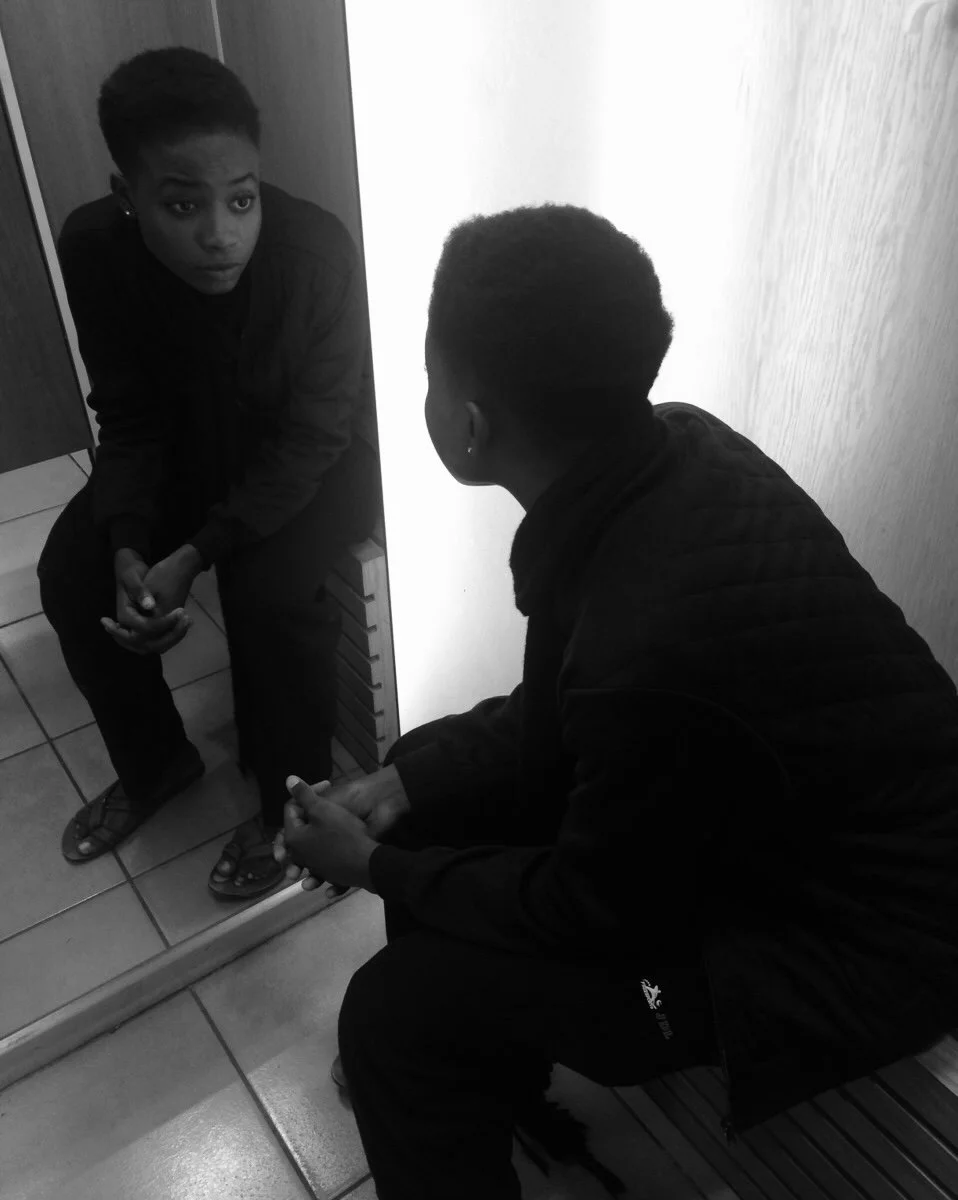
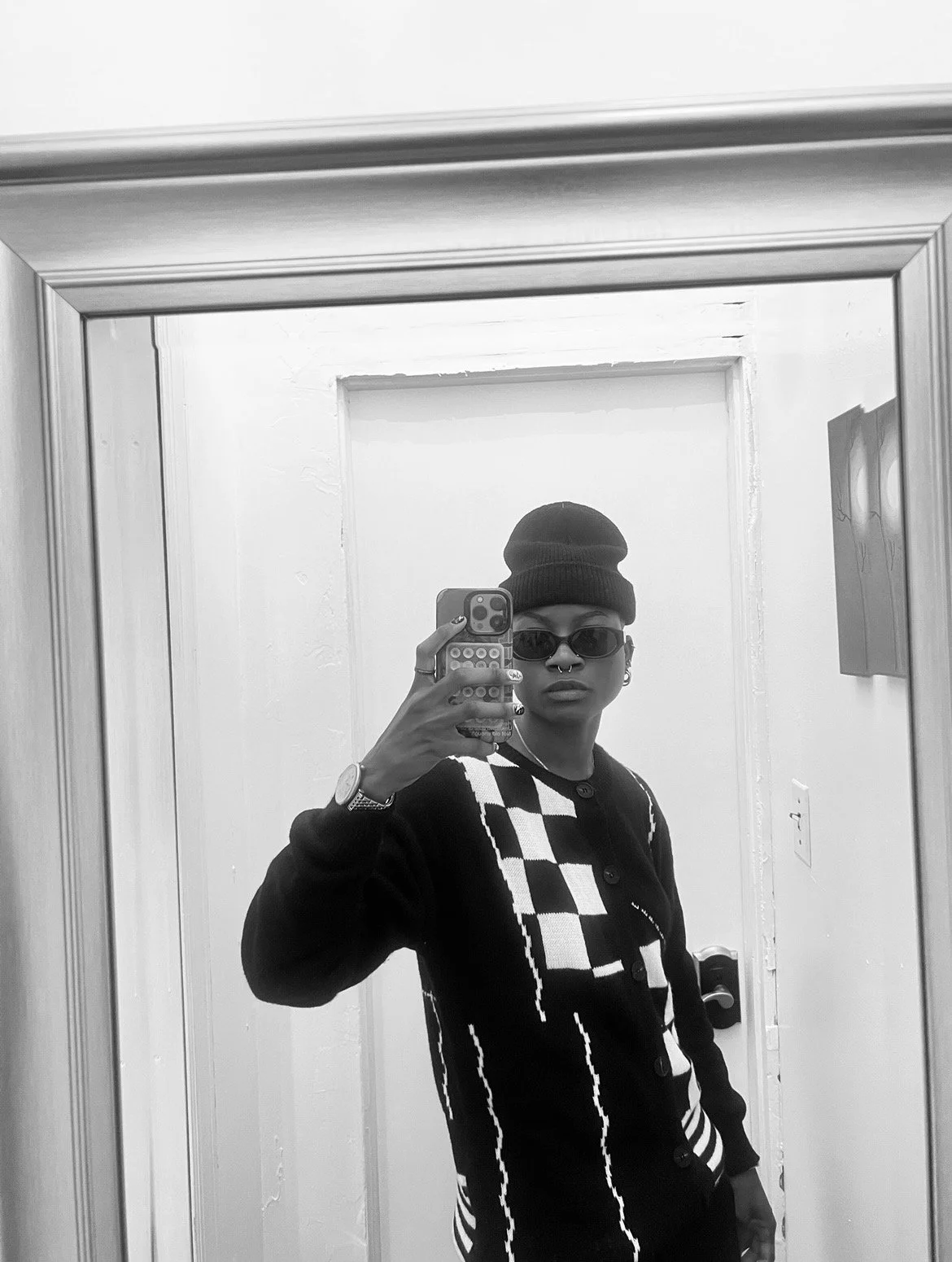
I looked in the mirror during the fallout, and for the first time in a long time, I did not like the woman looking back. She looked like the version of me I thought I had outgrown—defensive, jagged, and terrified.
This realisation is landing with particular weight as I approach my father’s burial anniversary this Saturday. I am forced to admit why that old manual has become so impossible to put down. The ending with him was so abrupt that it served as the ultimate, cruel confirmation of my deepest fear. I didn’t see it coming, I wasn’t prepared. I was caught completely off guard by a departure I couldn’t negotiate with.
When you lose a parent in a way that feels like the floor has been snatched from under you, you develop a hyper-vigilance that masquerades as wisdom. You tell yourself you are "preparing" for the worst, when in reality, you are just trying to prevent that specific, paralysing shock from ever happening again. You burn the house down yourself because you’d rather stand in the smoke of your own making than be caught sleeping when an accidental fire starts.
Grief is not a straight line; it is a widening circle. I am terrified of being that blindsided ever again.
I realised this month that I wasn’t just fighting with the woman in front of me; I was fighting with the ghost of the Tuesday I lost him. I was trying to control the narrative of my relationships because I could not control the reality of my loss. I was trying to fix the living because I could not bring back the dead; and my "readiness" in December was a shield I built to protect myself from the coming January cold.
So, what does it mean to be ready?
I used to think it meant being cured; a version of myself that was finally “fixed” and finished. I now know that readiness is not the absence of triggers, but the presence of the self when those triggers arrive. It is the ability to stand in the wreckage you helped create, look at the person you hurt, and say: I was bracing for an impact that wasn't coming.
It is the brutal, daily choice of softness when your nervous system is begging for nuclear options.
I am no longer interested in the version of healing that only exists when I am alone. I want a health that can survive the presence of another. I am learning to stop pretending I am fine and start practicing being present. It is slower work, and it is less glamorous than a December manifesto, but it is the only work that actually builds a bridge capable of holding weight.
I am putting down the manual. I am learning to exist in the quiet without assuming it’s the silence before a strike.
I am choosing to stay. I am choosing to see the bread.
Not because I am finished, but because I am willing to begin.